This week's Torah portion, Parashat Hukkat, presents a fascinating blend of rituals, narratives, and laws that continue to intrigue and inspire. From the mysterious ritual of the red heifer to the dramatic stories of Moses striking the rock and the subsequent battles as the Israelites journey towards the Promised Land, this Parasha is packed with lessons and themes that resonate deeply.
At the heart of Hukkat is the ritual of the red heifer (Para Adumah), a ceremony designed to purify those who have come into contact with the dead. The paradox of the red heifer – that the priests who prepare it become impure, while the impure individuals who are sprinkled with its ashes become pure – challenges our understanding of purity and impurity, inviting us to reflect on the complexities of spiritual cleanliness.
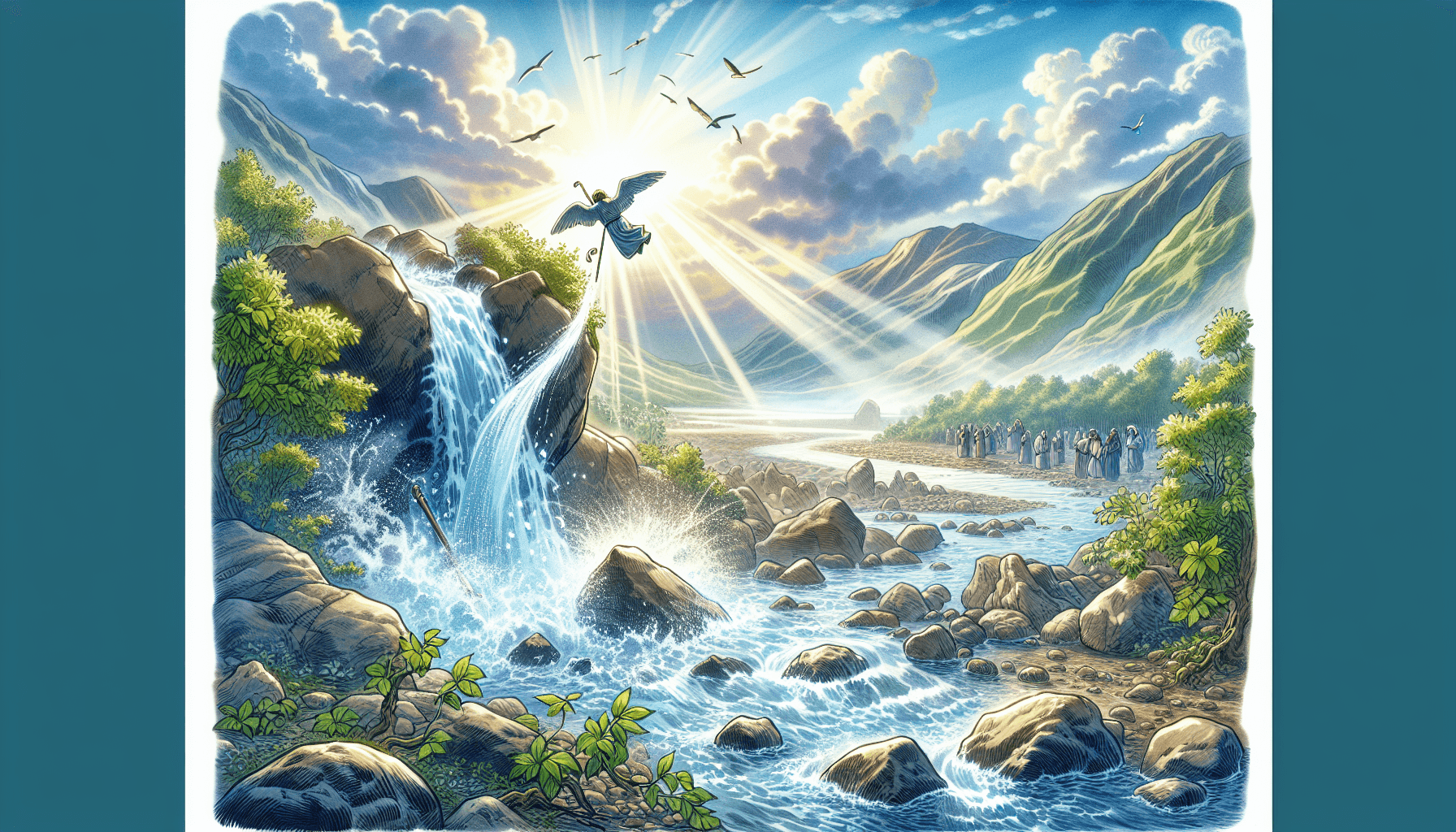
The narrative then shifts to the Israelites' journey through the desert, where they face the challenge of finding water. In a moment of desperation, Moses strikes a rock to bring forth water, disobeying God's command to speak to the rock. This act of disobedience results in God decreeing that Moses will not enter the Promised Land, a poignant reminder of the consequences of failing to adhere to divine instructions.
The Parasha also recounts the Israelites' encounters with various nations as they journey towards Canaan. These stories, including the victory over the Canaanite king of Arad and the passage through the territories of Edom and Moab, highlight themes of faith, leadership, and the complexities of navigating relationships with other nations.
Parashat Hukkat concludes with the deaths of Miriam and Aaron, marking the end of an era for the Israelite community. Their deaths signify a transition in leadership and a reminder of the human aspect of these biblical figures, who have guided the Israelites through their desert wanderings.
In summary, Parashat Hukkat offers a rich tapestry of rituals, laws, and narratives that challenge, inspire, and teach. Its themes of purity, obedience, leadership, and transition are as relevant today as they were in the time of Moses, inviting us to reflect on our own spiritual and communal journeys.