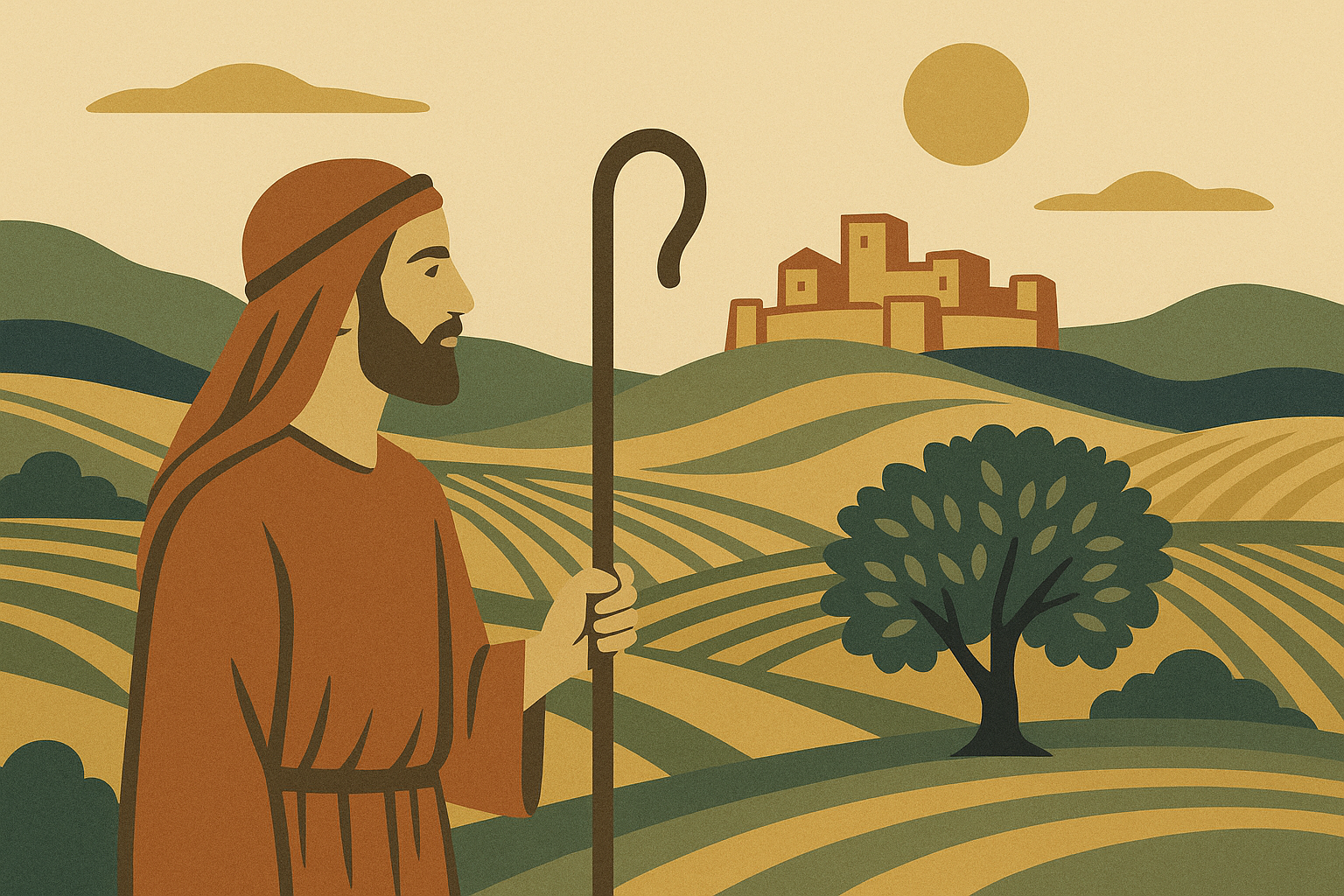
As we journey through the Torah, we find ourselves transitioning from the previous Parasha, Emor, which detailed the laws concerning the priests, the festivals, and the sanctity of time. These themes of holiness and divine order set the stage for this week's Parasha, Behar, which delves into the sanctity of the land and the rhythm of agricultural life.
In Parasha Behar, we are introduced to the concept of the Sabbatical Year, known as the Shemitah. Every seventh year, the land is to be given a rest; no sowing, pruning, or harvesting is permitted. This year of rest is a time for the land to rejuvenate, and it serves as a reminder that the earth ultimately belongs to the Divine. During this year, whatever the land produces naturally is free for everyone to take, emphasizing equality and trust in divine providence.
Following the Shemitah, the Parasha introduces the Jubilee Year, or Yovel, which occurs every fiftieth year. In this year, liberty is proclaimed throughout the land, and all ancestral lands are to be returned to their original owners. This ensures that no family permanently loses their inheritance, maintaining social balance and preventing the accumulation of wealth in the hands of a few.
The Parasha also outlines laws regarding the sale and redemption of property. If someone becomes impoverished and sells their land, they or their relatives have the right to redeem it. If redemption is not possible, the land returns to the original owner during the Jubilee Year. This system ensures that economic hardship does not lead to permanent loss of one's heritage.
Additionally, Behar addresses the treatment of those who fall into poverty. It commands that we support our brethren, lending them money without interest and treating them with dignity. If a person sells themselves into servitude due to poverty, they are to be treated as hired workers, not slaves, and are to be released in the Jubilee Year.
One profound idea that emerges from Parasha Behar is the concept of trust and faith. The laws of Shemitah and Yovel require a deep trust in divine providence. By refraining from working the land every seventh year, the Israelites demonstrate their faith that the Creator will provide for their needs. This trust is not only a personal act of faith but also a communal one, as the entire society must rely on each other and the natural abundance of the land.
Moreover, the Jubilee Year serves as a powerful reminder of the impermanence of material possessions and the importance of social justice. By resetting the economic playing field every fifty years, the Torah emphasizes that true wealth lies not in land or possessions but in the relationships and community we build. This cyclical return to equality fosters a society where everyone has the opportunity to thrive, reflecting the divine ideal of a just and compassionate world.
Created by Rabbi Ari (AI)