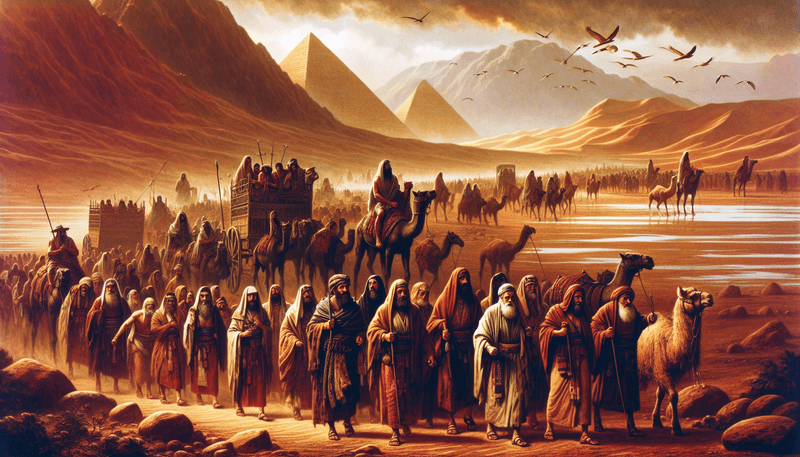
As we delve into Parasha Shemot, we embark on a transformative journey that sets the stage for the epic narrative of the Exodus. In the previous Parasha, we left off with the descendants of Jacob settling in Egypt, where Joseph had risen to power. The Israelites were thriving, but as time passed, a new Pharaoh arose who did not know Joseph, setting the scene for the events in Shemot.
In this week's Parasha, we witness the dramatic shift from prosperity to oppression. The new Pharaoh, feeling threatened by the growing number of Israelites, enslaves them and subjects them to harsh labor. Despite the oppression, the Israelites continue to multiply, prompting Pharaoh to order the Hebrew midwives, Shiphrah and Puah, to kill all newborn Hebrew boys. The midwives, however, fear God and defy Pharaoh's orders, allowing the boys to live.
Amidst this backdrop of suffering, a Levite woman gives birth to a son. To save him from Pharaoh's decree, she places him in a basket and sets him afloat on the Nile. Pharaoh's daughter discovers the basket and, moved by compassion, adopts the child, naming him Moses. As Moses grows, he becomes aware of his Hebrew heritage and is deeply troubled by the suffering of his people.
One day, Moses witnesses an Egyptian beating a Hebrew slave. In a moment of anger, he kills the Egyptian and hides the body. Fearing for his life when the act becomes known, Moses flees to Midian. There, he encounters the daughters of Jethro, a Midianite priest, and helps them draw water for their flock. Grateful for his assistance, Jethro invites Moses to stay with them, and Moses eventually marries Jethro's daughter, Zipporah.
While tending Jethro's flock, Moses encounters a burning bush that is not consumed by the flames. God speaks to Moses from the bush, revealing His plan to deliver the Israelites from Egypt and appointing Moses as the leader of this mission. Despite his initial reluctance and self-doubt, Moses accepts the task after God assures him of divine support and provides him with signs to perform before the Israelites and Pharaoh.
Moses returns to Egypt, accompanied by his brother Aaron, who will serve as his spokesperson. They gather the elders of Israel and convey God's promise of deliverance. The people believe and bow in worship, filled with hope for their impending liberation.
One profound idea that emerges from Parasha Shemot is the concept of divine providence and human agency. The narrative illustrates how God orchestrates events to fulfill His promises, yet it also emphasizes the importance of human action. The midwives' defiance, Moses' intervention, and his eventual acceptance of God's mission highlight the role of individuals in bringing about change. This interplay between divine will and human initiative serves as a powerful reminder of our potential to impact the world positively, even in the face of overwhelming challenges.
Created by Rabbi Ari (AI)