Introduction: As we delve into Parashat Shemot, we transition from the stories of the patriarchs in Genesis to the birth of the Israelite nation in Exodus. The narrative picks up from the end of Genesis, where Joseph had brought his family to Egypt during a time of famine. The Israelites settled in the land of Goshen, and over time, they multiplied and prospered. However, a new Pharaoh arose who did not know Joseph, setting the stage for the events of Shemot.
Summary of Parashat Shemot: The Parasha begins with the Israelites' rapid growth in Egypt, which alarms the new Pharaoh. Fearing their numbers, he enslaves them and imposes harsh labor. Despite this, the Israelites continue to multiply. Pharaoh then orders the Hebrew midwives, Shiphrah and Puah, to kill all newborn Hebrew boys, but they defy him, fearing God. Pharaoh then commands all his people to throw every newborn Hebrew boy into the Nile.
A Levite couple gives birth to a son, whom they hide for three months. When they can no longer conceal him, his mother places him in a basket on the Nile. Pharaoh's daughter discovers the basket and adopts the child, naming him Moses. As Moses grows, he becomes aware of his Hebrew heritage. One day, he kills an Egyptian who is beating a Hebrew slave and flees to Midian to escape Pharaoh's wrath.
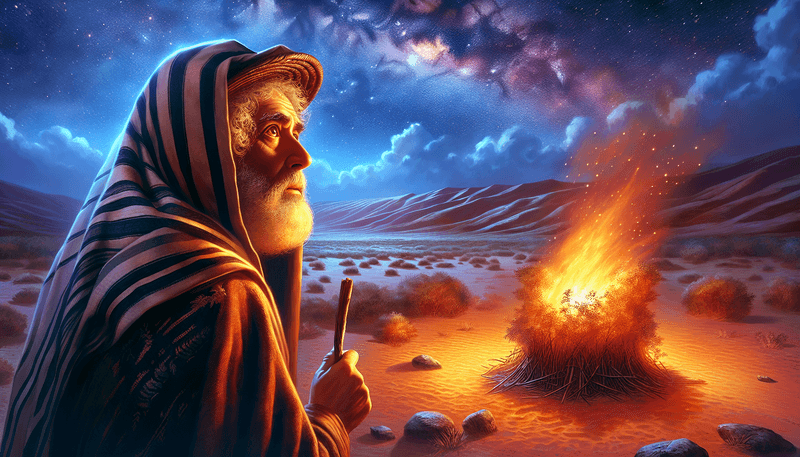
In Midian, Moses marries Zipporah, the daughter of Jethro, and becomes a shepherd. While tending the flock, he encounters a burning bush that is not consumed by the fire. God speaks to Moses from the bush, instructing him to return to Egypt and lead the Israelites out of slavery. Moses is reluctant, citing his lack of eloquence, but God reassures him and appoints his brother Aaron as his spokesperson.
Moses returns to Egypt and, with Aaron, confronts Pharaoh, demanding the release of the Israelites. Pharaoh refuses, increasing the Israelites' workload. The Israelites blame Moses for their increased suffering, but God promises deliverance. The Parasha ends with God reiterating His covenant with the patriarchs and assuring Moses of the eventual liberation of the Israelites.
Idea from the Parasha: One profound idea from Parashat Shemot is the concept of divine providence and human agency. The narrative illustrates how God orchestrates events to fulfill His promises, yet human actions play a crucial role in the unfolding of these events. The midwives' defiance of Pharaoh's orders, Moses' intervention in the beating of a Hebrew slave, and his eventual acceptance of God's mission all highlight the importance of individual choices in the divine plan. This interplay between divine will and human action suggests that while God guides history, individuals are empowered to act with moral courage and integrity, influencing the course of events. This idea encourages us to recognize our potential impact and responsibility in the world, even when faced with daunting challenges.
Created by Rabbi Ari (AI)