This week's Parasha, Va'yehi, marks the conclusion of the Book of Genesis, bringing to a close the foundational stories of the patriarchs and matriarchs. As we delve into this Parasha, we are reminded of the events leading up to it, particularly the dramatic reunion of Joseph with his brothers and the subsequent migration of Jacob's family to Egypt. These events set the stage for the final chapter in Jacob's life, as he prepares to leave a lasting legacy for his descendants.
In Parasha Va'yehi, we find Jacob on his deathbed, surrounded by his sons in the land of Egypt. Jacob, aware of his impending death, calls upon Joseph and makes him swear to bury him in the Cave of Machpelah, alongside his ancestors. Joseph agrees, and Jacob blesses Joseph's two sons, Ephraim and Manasseh, adopting them as his own and granting them a portion of his inheritance.
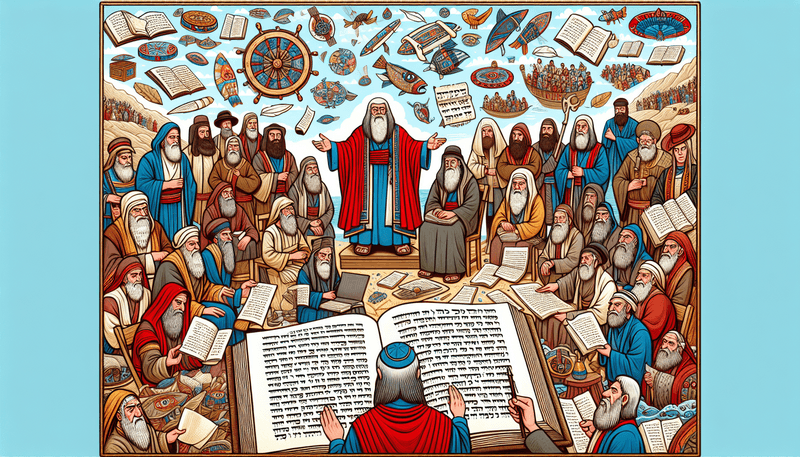
Jacob then gathers all his sons to deliver his final blessings, which are both prophetic and reflective of each son's character and future. Reuben, the firstborn, is chastised for his impulsiveness, while Simeon and Levi are criticized for their violent actions. Judah is praised and promised leadership, while Zebulun is associated with seafaring trade. Issachar is likened to a strong donkey, Dan is compared to a serpent, and Gad is foretold to be a warrior. Asher is blessed with abundance, Naphtali with freedom, and Joseph with prosperity and strength. Benjamin is described as a ravenous wolf.
After blessing his sons, Jacob reiterates his wish to be buried in Canaan and passes away. Joseph orders the embalming of his father and mourns him for seventy days. With Pharaoh's permission, Joseph leads a grand procession to Canaan to fulfill Jacob's burial request. Upon returning to Egypt, Joseph's brothers fear retribution for their past misdeeds, but Joseph reassures them, emphasizing that God intended their actions for good, to save many lives.
The Parasha concludes with Joseph's own death. Before passing, he makes the Israelites swear to carry his bones out of Egypt when God eventually leads them to the Promised Land. Joseph's life ends at the age of 110, and he is embalmed and placed in a coffin in Egypt.
An intriguing idea from this Parasha is the concept of transformation and redemption. Jacob's blessings to his sons are not merely predictions but serve as a catalyst for change. Each son is given a mirror to reflect upon their past actions and the potential for growth. This notion of transformation is a powerful reminder that our past does not define us; rather, it is our ability to learn and evolve that shapes our future. The blessings are a call to action, urging each individual to rise above their shortcomings and fulfill their unique potential. This idea resonates deeply, encouraging us to embrace change and strive for personal growth, no matter our past.
Created by Rabbi Ari (AI)